

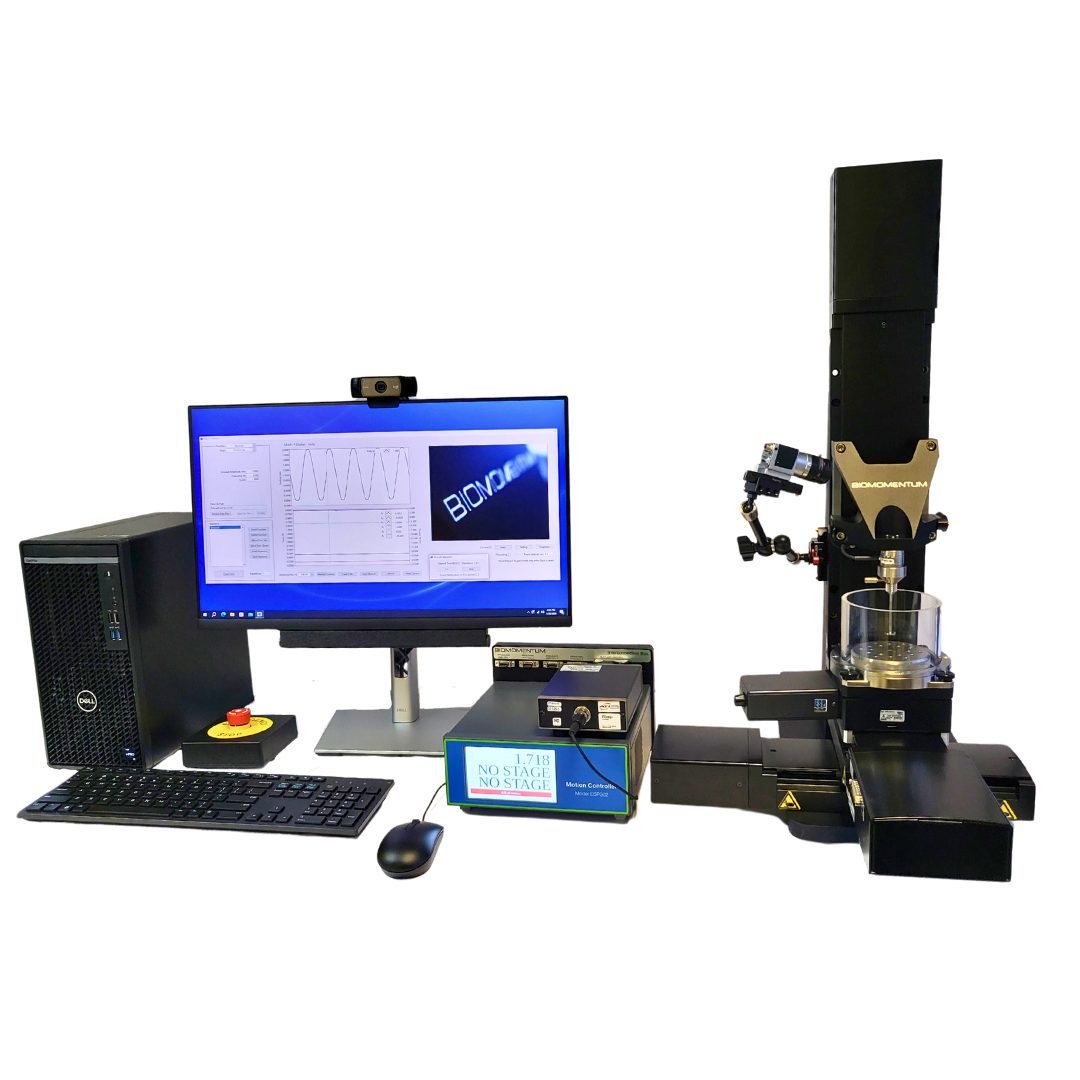
Since 1999, the configurable mechanical tester from the Canadian company Biomomentum has supported scientists worldwide in advancing and publishing innovative research on biomaterials, biological tissues, and soft materials.
Its modular design, compact footprint, and wide range of customization options make this premium testing system ideally suited for modern biomaterial research laboratories. Easily upgradable with motorized stages, load cells, and dedicated accessories, the system evolves seamlessly alongside changing research needs, delivering long-term flexibility and performance.
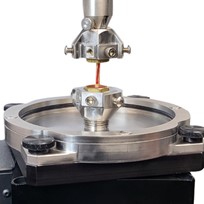
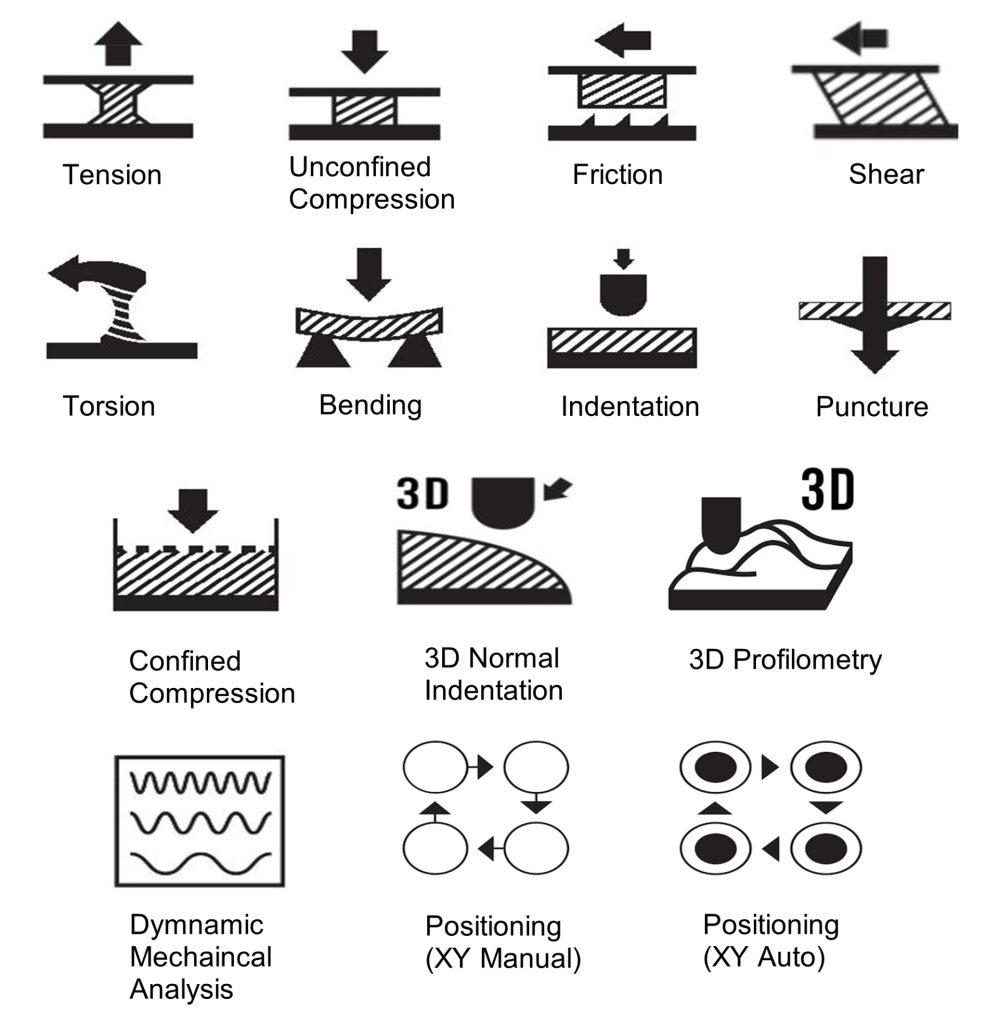
The Mach-1 multiaxial mechanical tester is a unique all-in-one system designed for compression, tension, shear, friction, torsion, and 3D indentation mapping. Its exceptional versatility makes it suitable for a wide range of mechanical testing applications.
Widely adopted in university laboratories worldwide, the Mach-1 is also recognized as an excellent educational platform, enabling students to gain hands-on experience with advanced biomechanical and materials testing techniques.
Biomomentum offers a full-service approach to biomechanical testing. In addition to conducting highly controlled experiments using state-of-the-art technology, its expert team follows rigorous Standard Operating Procedures, develops reliable testing protocols, and delivers accurate data analysis reports in full compliance with Good Laboratory Practice (GLP).
Experience precision, flexibility, and innovation, all in one powerful system.
Additional Sensors available: Digital Image Correlation; Electromechanical Measurement; External Analog Sensors and Temperature Control
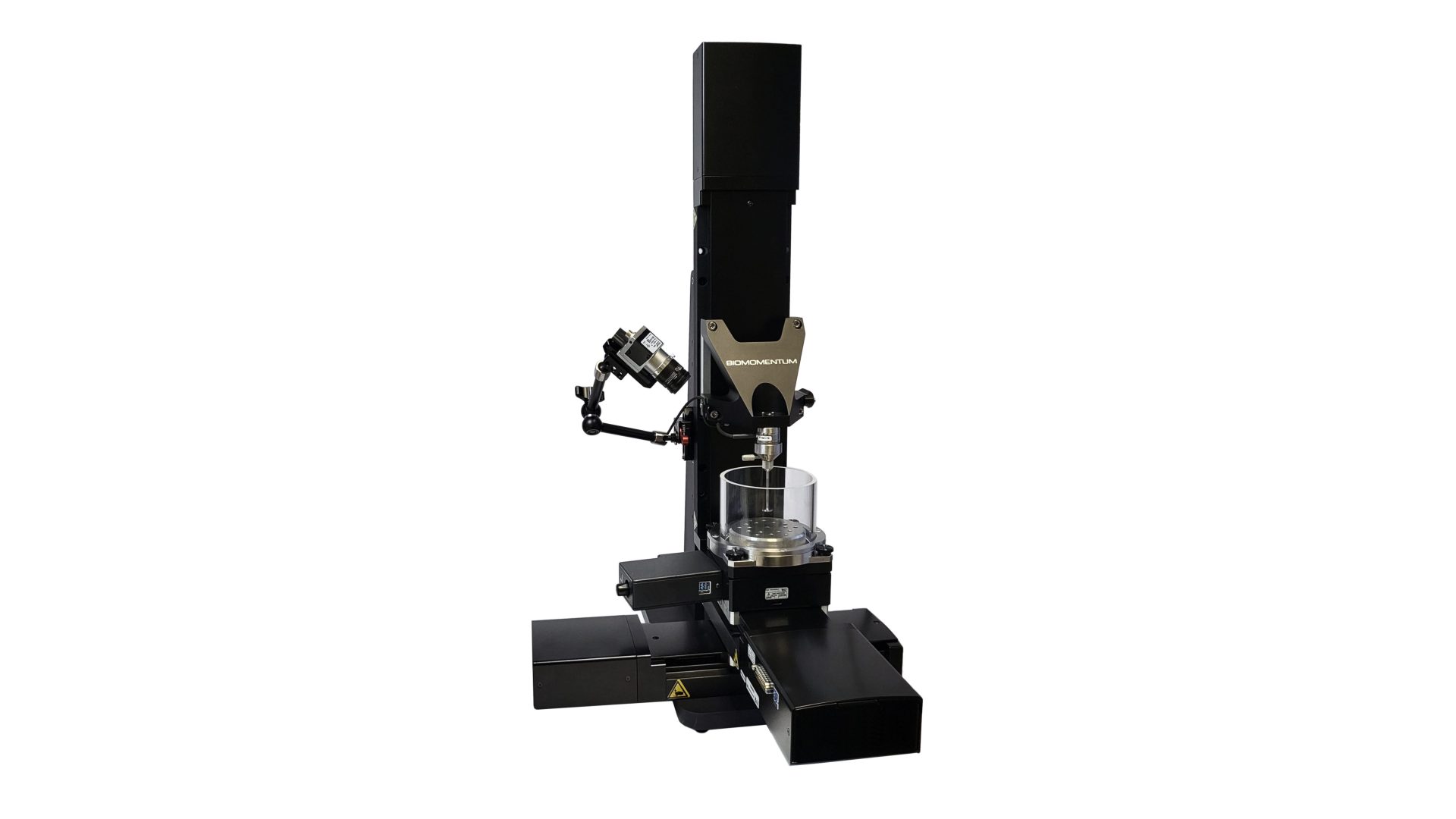
Designed for flexibility, the Mach-1™ can be upgraded with motorized stages, load cells, and accessories to adapt seamlessly to new materials research challenges.
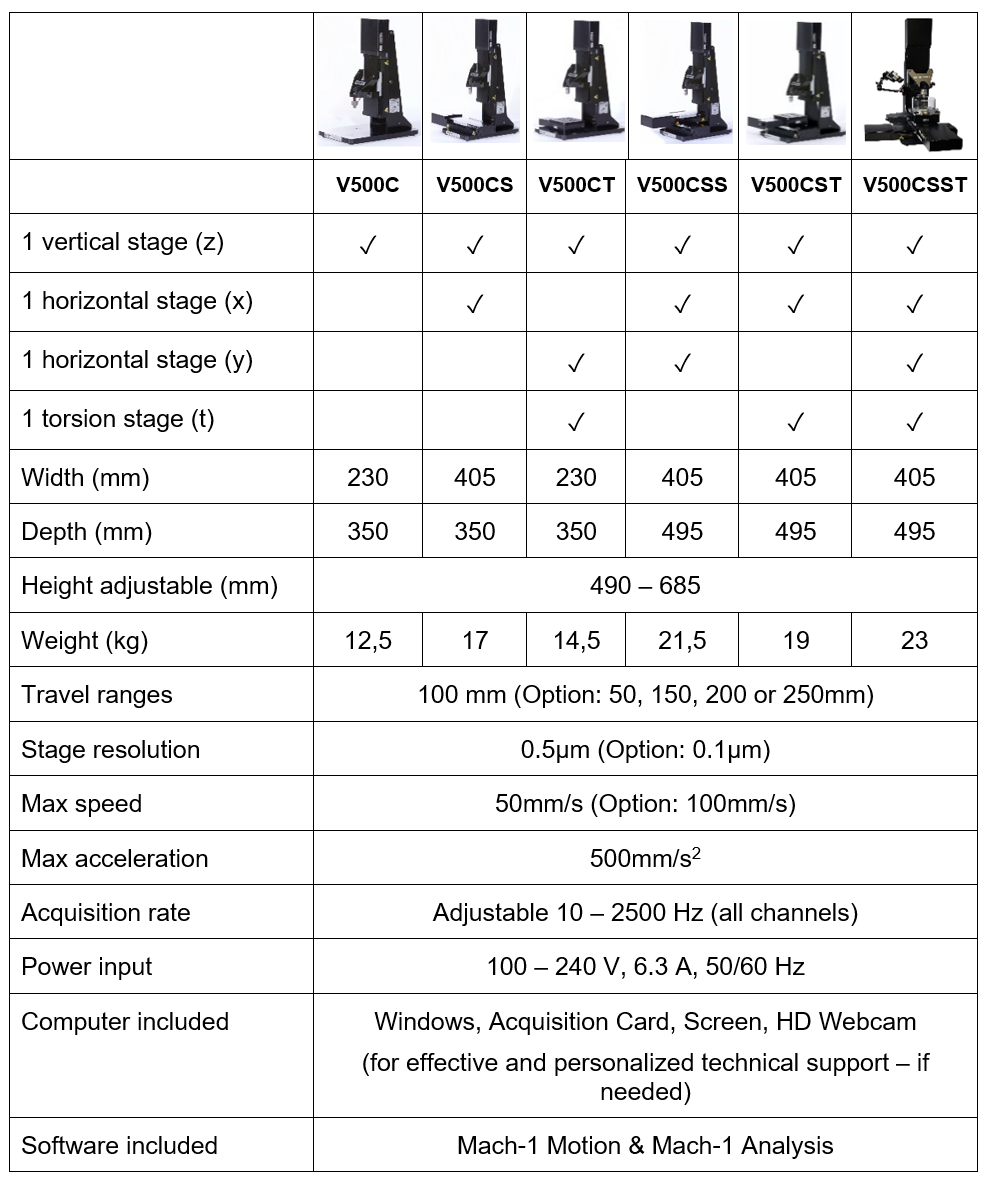
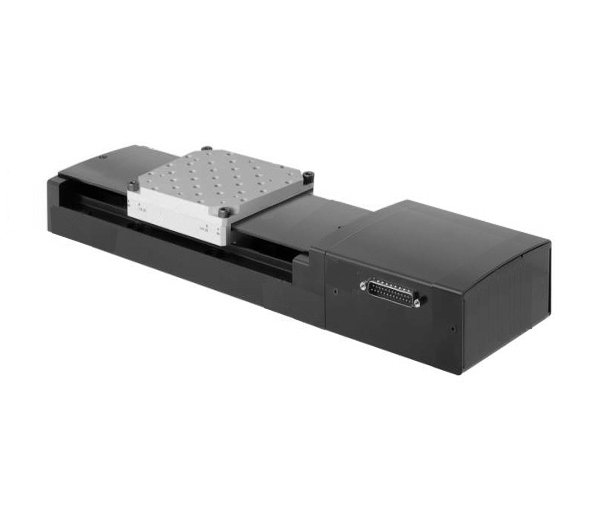
Stage Performance Upgrade
If your cart or quotation includes a linear motorized stage, you can add this upgrade to replace it with a higher-resolution stage for enhanced performance.
This upgrade improves the stage resolution from 0.5 µm to 0.1 µm and features an advanced driving motor and improved encoding method, delivering superior overall performance:
Please note that the upgraded stage has an increased overall length of 34 mm in the motor head section.
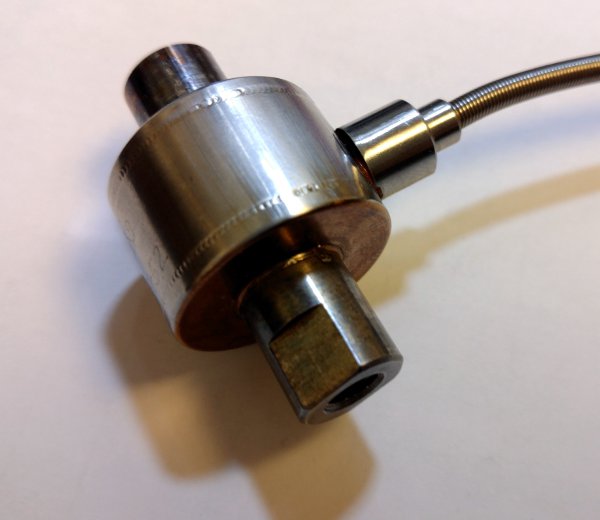
The single-axis load cell measures forces applied axially along the Z-axis, in both tension and compression. It is ideal for applications such as indentation, tension, and compression testing. This load cell is not suitable for friction, shear, or torsion measurements. For these types of tests, a multiple-axis load cell is required.
This accessory has been designed to facilitate easy cleaning and disinfection. Its robust construction ensures long-term durability and maintains structural integrity over years of use. The accessory is easy to assemble and simple to mount on the tester, minimizing setup time and improving workflow efficiency. A wide selection of standard and custom-designed accessories is available to support a broad range of testing applications.
Single-Axis Load Cells with Amplification Module:
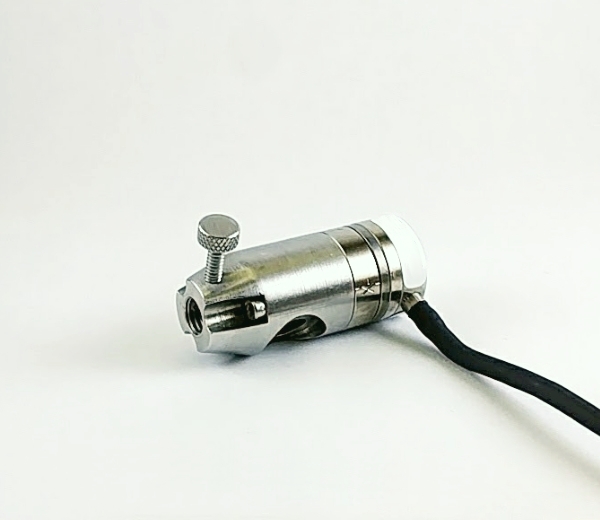
This multiple-axis load cell measures forces and torques along three axes simultaneously, enabling full characterization of tension/compression, shear, and torsion. An adapter for calibration weights and indenters/grips is mounted underneath the load cell for convenient setup. The system includes two amplification modules, providing a low range of 17 N and a high range of 70 N for flexible measurement.
Despite its advanced capabilities, this load cell is easy to assemble and mount on the tester. It is the smallest commercially available 6-axis transducer in the world.
Multiple-Axis Load Cells with Amplification Module:
Please Note: The Multiple-Axis Load Cell (250 N) with Amplification Module – MA236 has a moment limit of ±30 lb-in (±3.4 Nm) in Tz, exceeding this may cause permanent damage. Maximum single-axis overload: 7.1–15.1 × rated capacity.
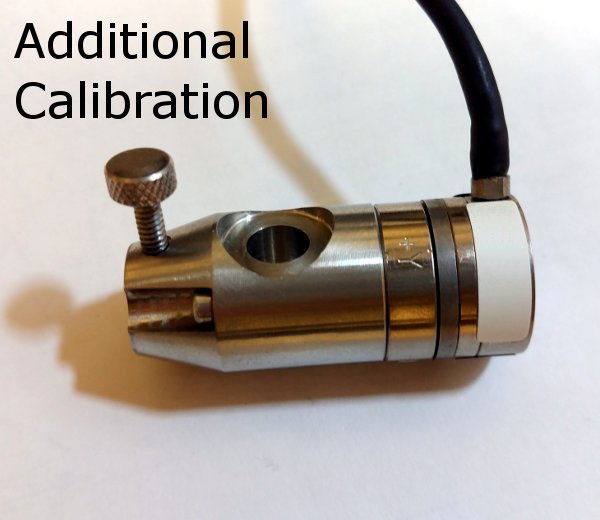
An additional calibration expands the usable load range of a multiple-axis load cell. This calibration is provided through an additional amplification module to which the multi-axis load cell can be connected. Only one calibration can be active at a time; however, the load cell can be freely swapped between any available amplification modules. This specific module is calibrated for the lowest available load range, making it ideal for applications involving lower forces and torques where higher measurement precision is required.
Key Features:
Additional Calibrations Available for Multiple-Axis Load Cells
MA239: Additional Calibration (17 N) and Amplification Module
MA240: Additional Calibration (70 N) and Amplification Module
MA241: Additional Calibration (35 N) and Amplification Module
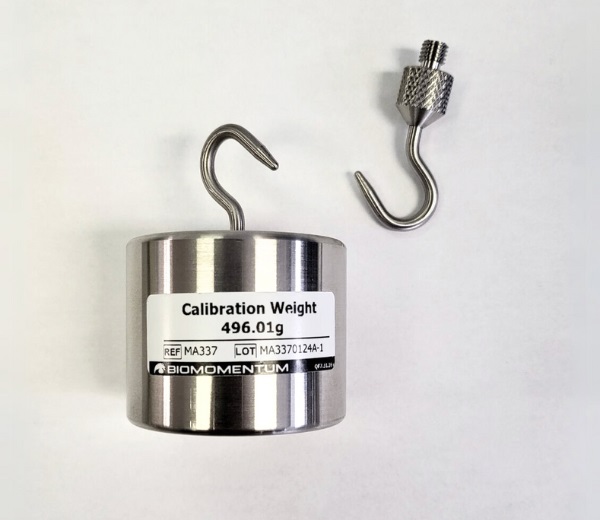
The calibration weight is used at the start of each test session to verify the integrity and proper function of a load cell. We highly recommend allowing the system to warm up before performing load cell calibration or running any significant experiment. In the Mach-1 Motion software, the calibration function checks and calibrates the load cell using a known weight specified in the configuration file. The calibration weight should generally be chosen to match the average load expected during the experiment for optimal accuracy.
Key Features:
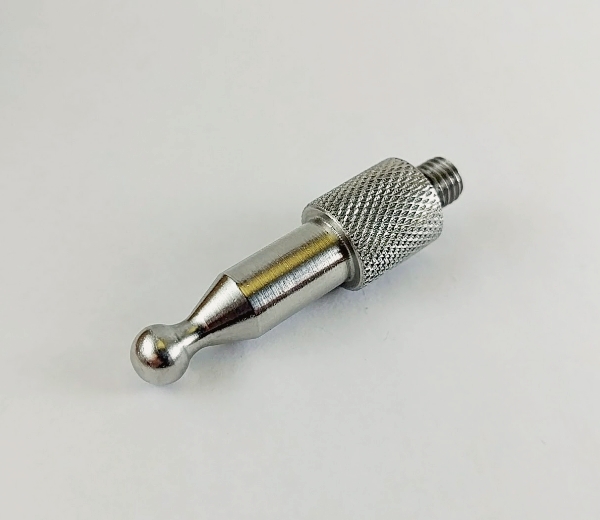
Biomomentum indenters are versatile and reliable accessories designed for use with mechanical testers. They can be applied in a variety of test configurations, enabling precise measurements on different materials and sample types. Known for their durability and accuracy, these indenters ensure consistent and repeatable results, making them a popular choice for researchers and engineers in material testing. Compatible with multiple mechanical tester setups, Biomomentum indenters are easy to integrate, assemble, and use, offering flexibility for a wide range of experimental applications.
Types of Indenters
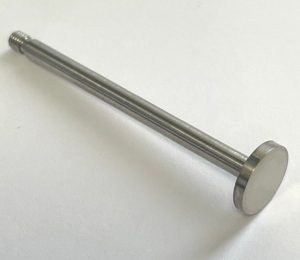
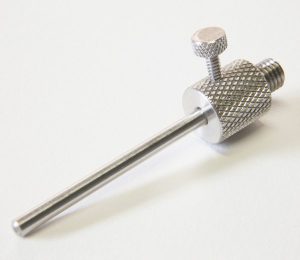
Flat Indenters
D = 2 mm – MA685
D = 3 mm – MA686
D = 4 mm – MA687
D = 12.5 mm – MA262
D = 25 mm – MA678
Spherical Indenters
D = 1 mm – MA680
D = 6.35 mm – MA679
Kit of Spherical Indenters – Ruby Balls
D = 0.3 mm (2×), 0.5 mm (2×), 1 mm, 2 mm, 5 mm – MA030
Quick Connection Adapter
Incl. 3 dowel pins, D = 3.2 mm – MA670
Hardness Indenters
Berkovich Indenter – MA683, Indentation depth = 20 µm
Vickers Indenter – MA684, Indentation depth = 20 µm
Kit of Needles
MA690 – Normally used for thickness measurement
More types of indenters for different applications are available.
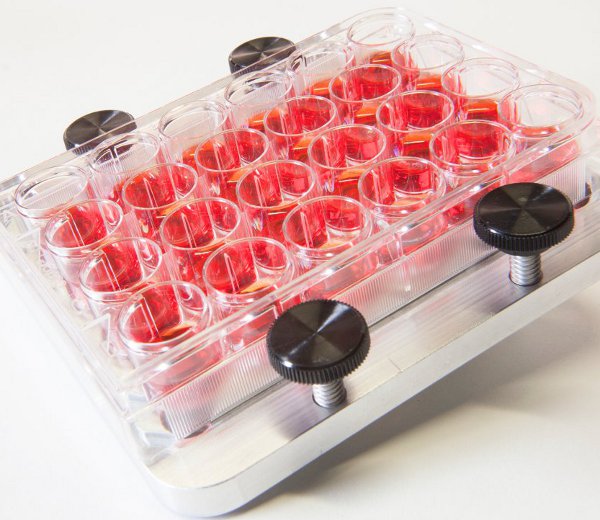
Designed to securely hold multiwell plates on the tester. Fits any plate with a Corning® Costar® footprint, stabilized by four thumbscrews for firm contact with the metallic base. For compatibility questions, contact us.
Designed for synchronized measurement of electric potential during compression of electromechanically active materials (e.g. connective tissue, charged hydrogels). Features five differential Ag/AgCl electrode channels plus a reference electrode, with 1 mm diameter electrodes spaced 4 mm apart. Filled with saline solution (e.g. PBS).
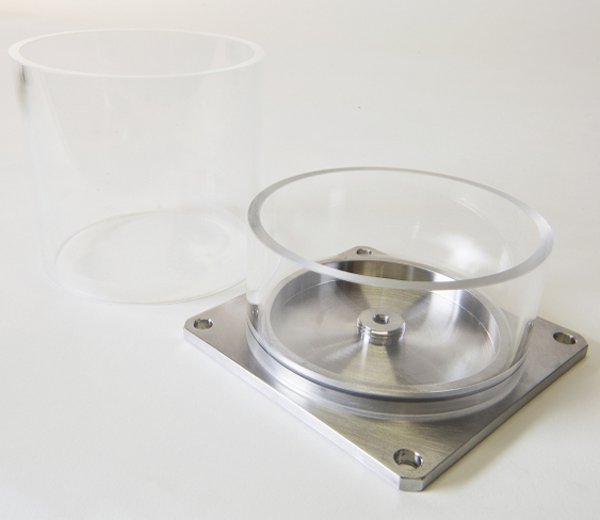
Central component of the Mach-1 mechanical tester. This round test chamber features a 98 mm inner diameter and a threaded base compatible with a wide range of sample holders and accessories. Two interchangeable transparent walls (50.8 mm and 76.2 mm height) slide into place to form a sealed environmental chamber for submerged testing. Made from corrosion-resistant 316l stainless steel, suitable for use with saline solutions.
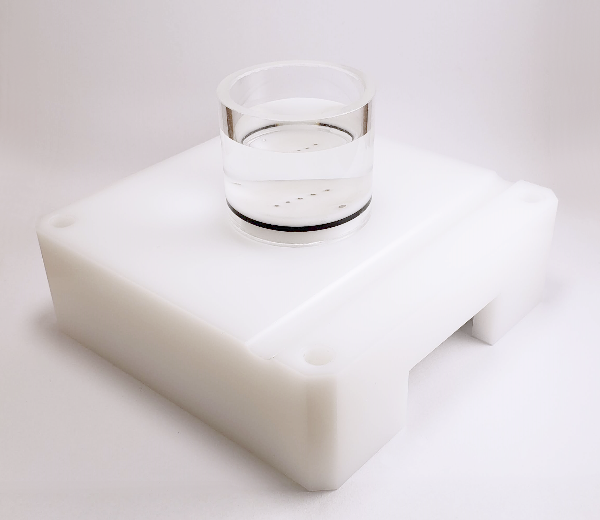
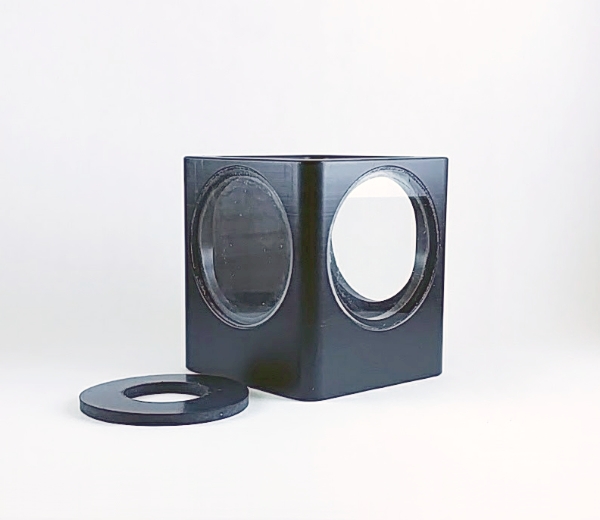
Designed for testing small samples, this 60 ml chamber features three orthogonal transparent portholes to facilitate side imaging. One solid wall provides a black background for improved contrast. The chamber screws directly onto the MA626 testing chamber.
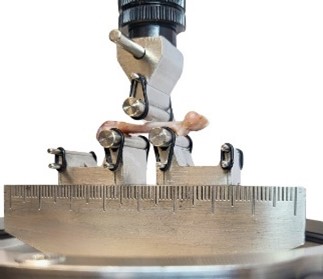
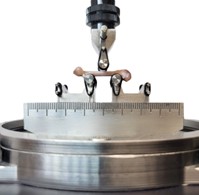
Designed for 3-point bending tests, this fixture includes a base with two adjustable supporting pin holders and an integrated ruler for precise spacing. The top loading pin holder mounts to the load cell and is secured with a locking pin. A 4-point bending top applier (MA098) is available separately.
A variety of additional sample holders are available for specialized applications.
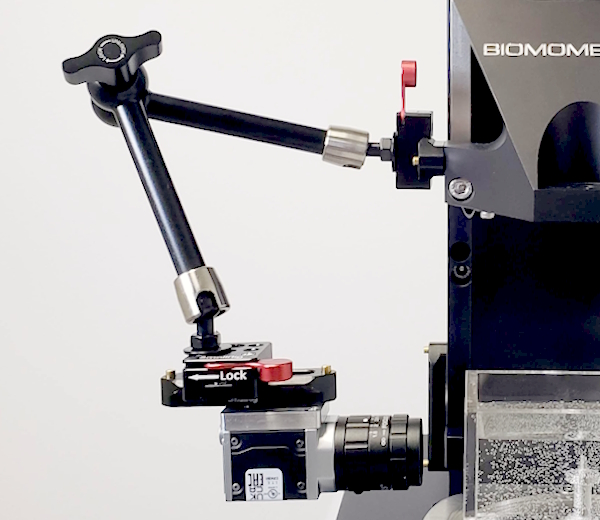
Versatile imaging camera for sample visualization, deformation tracking, digital image correlation, Poisson’s ratio evaluation, and documentation. Mounted on a manual positioning arm, it includes a 12.5 mm lens with a minimum field of view of 7.1 mm. The CMOS sensor delivers 1280 × 1024 px images at 10 fps, synchronized and timestamped with mechanical data.
Nutzen Sie die erweiterte Suche, um gezielt nach Produkten und Herstellern in unserem Sortiment zu filtern. Geben Sie einfach den gewünschten Hersteller ein oder verwenden Sie die verfügbaren Filter, um Ihre Auswahl einzugrenzen. So finden Sie schnell und präzise das passende Laborgerät für Ihren Bedarf.
Use the advanced search to filter specific products and manufacturers in our range. Simply enter the desired manufacturer or use the available filters to narrow down your selection. This allows you to quickly and accurately find the right laboratory equipment for your needs.
You are currently viewing a placeholder content from Vimeo. To access the actual content, click the button below. Please note that doing so will share data with third-party providers.
More InformationYou are currently viewing a placeholder content from YouTube. To access the actual content, click the button below. Please note that doing so will share data with third-party providers.
More InformationYou need to load content from reCAPTCHA to submit the form. Please note that doing so will share data with third-party providers.
More Information